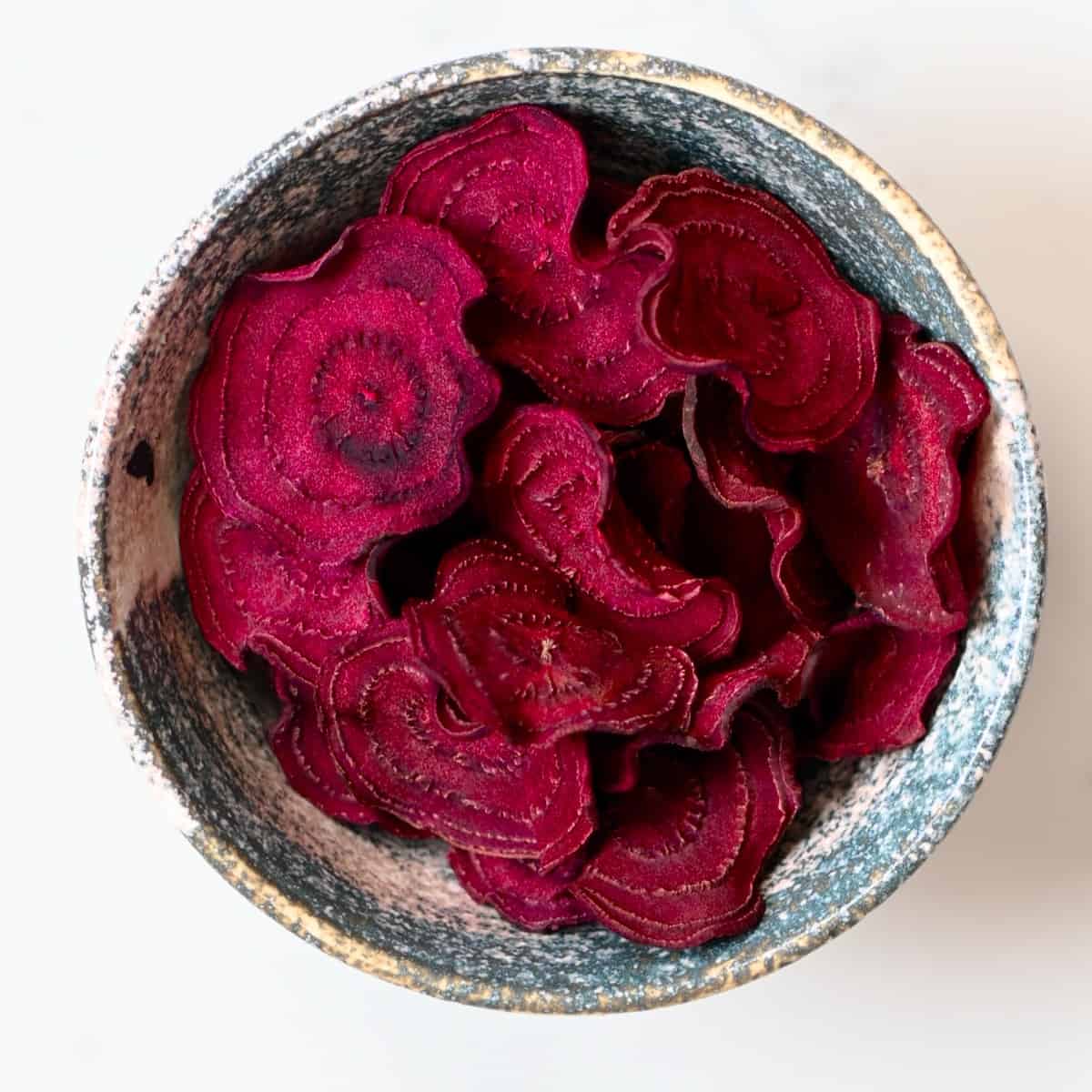
Craving a crunchy, satisfying snack that's as vibrant as it is nutritious? Look no further than homemade beetroot chips! These earthy, slightly sweet crisps are a fantastic alternative to highly processed potato chips, offering a burst of flavor and a wealth of health benefits. Learning how to make beetroot chips baked or dehydrated opens up a world of healthy snacking possibilities right in your own kitchen. Whether you prefer the golden crispness of oven-baked slices or the concentrated chewiness and intense flavor from a dehydrator, this comprehensive guide will walk you through every step to achieve perfection.
Why Make Your Own Beetroot Chips? The Healthy Snack Revolution
In an age where healthy eating is paramount, finding snacks that genuinely nourish your body without compromising on taste can be a challenge. Store-bought chips often come laden with unhealthy oils, excessive sodium, and artificial additives. Making your own beetroot chips, however, puts you in complete control of the ingredients, ensuring a wholesome, guilt-free treat.
Nutritional Powerhouse on a Chip
Beetroots are celebrated for their impressive nutritional profile. They are rich in fiber, which aids digestion and promotes satiety, helping you feel fuller for longer. Beyond fiber, beetroots are packed with essential vitamins and minerals, including folate (crucial for cell function), manganese (for bone health and metabolism), potassium (beneficial for blood pressure), and Vitamin C (an immune booster). They also contain powerful antioxidants and dietary nitrates, which have been linked to improved blood flow and reduced blood pressure. When you learn how to make beetroot chips baked or dehydrated, you're not just creating a snack; you're crafting a nutrient-dense powerhouse.
- Fiber-rich: Supports digestive health.
- Vitamins & Minerals: Folate, manganese, potassium, Vitamin C.
- Antioxidants: Protect cells from damage.
- Dietary Nitrates: May improve blood flow and heart health.
Preparing Your Beetroots for Optimal Crispness
The secret to perfect beetroot chips lies largely in the preparation. Don't rush this stage; it's fundamental to achieving that desirable crunch.
Choosing and Cleaning Your Beets
Start with fresh, firm beetroots. Look for those with vibrant color and no signs of bruising or softness. Trim off the greens (save them for a salad or stir-fry!) and give the beets a thorough wash under cold running water. Scrub away any dirt using a vegetable brush.
To Peel or Not to Peel?
This is largely a matter of personal preference. The skin of beetroot is edible and contains extra nutrients. Leaving it on gives the chips a more rustic look and slightly earthier flavor. However, peeling them can result in a more uniform texture and a slightly sweeter, less earthy taste for some palates. If peeling, use a sharp vegetable peeler.
The Golden Rule: Slicing Uniformly Thin!
This is arguably the most crucial step. For chips that cook evenly and crisp up beautifully, every slice needs to be consistent in thickness. A mandoline slicer is an invaluable tool here, allowing you to achieve paper-thin slices (ideally 1-2mm). If you don't have a mandoline, a very sharp knife and a steady hand will work, but take your time. Thicker slices will remain chewy, while thinner ones will crisp up faster.
Patting Dry: Don't Skip This Step!
Once sliced, arrange the beetroot slices on a clean kitchen towel or paper towels and gently pat them dry. Removing as much surface moisture as possible is absolutely critical for crispness, especially when learning how to make beetroot chips baked or dehydrated. Excess water will steam the chips rather than crisp them.
Method 1: How to Make Beetroot Chips Baked to Perfection
Baking is a fantastic way to achieve delightfully crisp beetroot chips using minimal oil and equipment you likely already have in your kitchen.
Equipment & Ingredients
- Fresh beetroots (2-3 medium-sized)
- 1-2 tablespoons olive oil or avocado oil
- Salt and desired seasonings
- Baking sheets
- Parchment paper or silicone baking mats
- Mandoline slicer (highly recommended)
Step-by-Step Baking Guide
- Preheat Oven: Preheat your oven to a low temperature, typically between 250-300°F (120-150°C). A lower temperature prevents burning and encourages even drying.
- Prepare Beetroots: Slice and pat dry your beetroots as described in the preparation section.
- Season: In a large bowl, toss the beetroot slices with a light drizzle of oil and your chosen seasonings. Ensure each slice is lightly coated, but not drenched, to promote crisping.
- Arrange on Baking Sheets: Line your baking sheets with parchment paper or silicone mats. Arrange the seasoned beetroot slices in a single layer, ensuring they don't overlap. Overcrowding will lead to steaming instead of crisping. You may need multiple sheets or to bake in batches.
- Bake Initial Phase: Place the baking sheets in the preheated oven. Bake for 20-30 minutes.
- Flip & Continue Baking: Carefully flip each beetroot chip. Continue baking for another 20-40 minutes, or until the chips are dry, slightly curled at the edges, and crisp. Cooking time will vary depending on slice thickness and oven calibration, so keep a close eye on them, especially towards the end.
- Cool Completely: Remove the chips from the oven and transfer them to a wire rack to cool completely. This is a critical step, as chips will continue to crisp up as they cool.
Tips for Crispy Baked Chips
- Low and Slow: Patience is key. Baking at a lower temperature for a longer duration yields the best results.
- Single Layer: Resist the urge to pile them up. Give each chip its space.
- Flip Halfway: Flipping ensures even cooking and crispness on both sides.
- Don't Overcook: Watch for the edges to start curling and becoming slightly brittle. They will crisp up further upon cooling.
- Cooling is Crucial: Never skip cooling on a wire rack. It allows air circulation, preventing sogginess.
For a deeper dive into achieving that perfect crunch, check out our guide: Crispy Beetroot Chips: Baking & Dehydrating Secrets Revealed.
Method 2: How to Make Beetroot Chips Dehydrated for Intense Flavor
Dehydrating offers a unique approach to making beetroot chips, often resulting in a more intense flavor profile and a longer shelf life. It's a gentle process that preserves nutrients effectively.
Equipment & Ingredients
- Fresh beetroots (2-3 medium-sized)
- Optional: light spray of oil and seasonings
- Food dehydrator with trays
- Mandoline slicer (highly recommended)
Step-by-Step Dehydrating Guide
- Prepare Beetroots: Slice your beetroots paper-thin (1-2mm) and pat them thoroughly dry, just as you would for baking.
- Arrange on Trays: Place the beetroot slices in a single layer on your dehydrator trays. Ensure there's enough space between each slice for air to circulate freely.
- Set Dehydrator: Set your food dehydrator to a low temperature, typically around 125°F (52°C). This low heat gently removes moisture without cooking the beets, preserving their raw nutritional value.
- Dehydrate: Dehydrate for a long period, usually 6-12 hours, but it can take up to 24 hours depending on the thickness of your slices, the humidity, and your dehydrator model. Rotate trays occasionally if your dehydrator doesn't have even heat distribution.
- Check for Doneness: The chips are ready when they are completely dry, brittle, and snap easily when bent. There should be no flexibility or chewiness left.
- Cool Completely: Just like with baking, transfer the dehydrated chips to a wire rack to cool completely before storing.
Tips for Perfectly Dehydrated Chips
- Uniform Thickness: Absolutely essential for even drying.
- Don't Overload: Avoid stacking or overlapping slices on trays.
- Patience is a Virtue: Dehydrating is a slow process, but the results are worth it.
- Test Thoroughly: Ensure every chip is fully dry to prevent spoilage during storage.
- Optional Pre-Treatment: Some prefer to lightly steam or blanch beets briefly before dehydrating to reduce drying time and improve texture, but it's not strictly necessary.
To explore the nuances of these two methods further, read our article: Baked vs. Dehydrated Beetroot Chips: Your Healthy Snack Guide.
Seasoning Your Beetroot Chips: Elevate the Flavor
Once you've mastered how to make beetroot chips baked or dehydrated, the fun really begins with seasoning! Beetroots have a naturally earthy and slightly sweet flavor that pairs well with a variety of spices.
- Classic & Simple: A sprinkle of sea salt and freshly ground black pepper is often all you need to highlight the natural flavor.
- Savory & Bold: Experiment with garlic powder, onion powder, smoked paprika, chili powder, or a pinch of cumin for a more robust profile. Nutritional yeast can add a cheesy, umami depth.
- Herbal Notes: Dried rosemary, thyme, or oregano can impart a sophisticated, aromatic touch.
- Sweet & Spicy (for the adventurous): A tiny pinch of cinnamon combined with a dash of cayenne pepper offers an unexpected and delightful kick.
Always add seasonings before baking or dehydrating, ensuring they adhere well to the slightly oiled beet slices.
Storage and Enjoyment
To maintain their crispness and flavor, store your homemade beetroot chips in an airtight container at room temperature. For baked chips, they are best consumed within 3-5 days. Properly dehydrated chips, however, can last for several weeks or even months if stored correctly in a cool, dry place. If your chips lose some of their crunch over time, a quick 5-10 minute refresh in a preheated oven (around 250°F / 120°C) can often restore their crispness.
Conclusion
Making your own beetroot chips, whether you choose the baked or dehydrated method, is a rewarding experience that yields a delicious, healthy, and incredibly versatile snack. From the simple act of slicing and seasoning to the satisfying crunch of the finished product, you'll discover a new favorite way to enjoy this vibrant root vegetable. By following these comprehensive steps on how to make beetroot chips baked or dehydrated, you're not just preparing food; you're creating wholesome, flavorful goodness that everyone can enjoy. So, grab some beets and start snacking smarter today!
