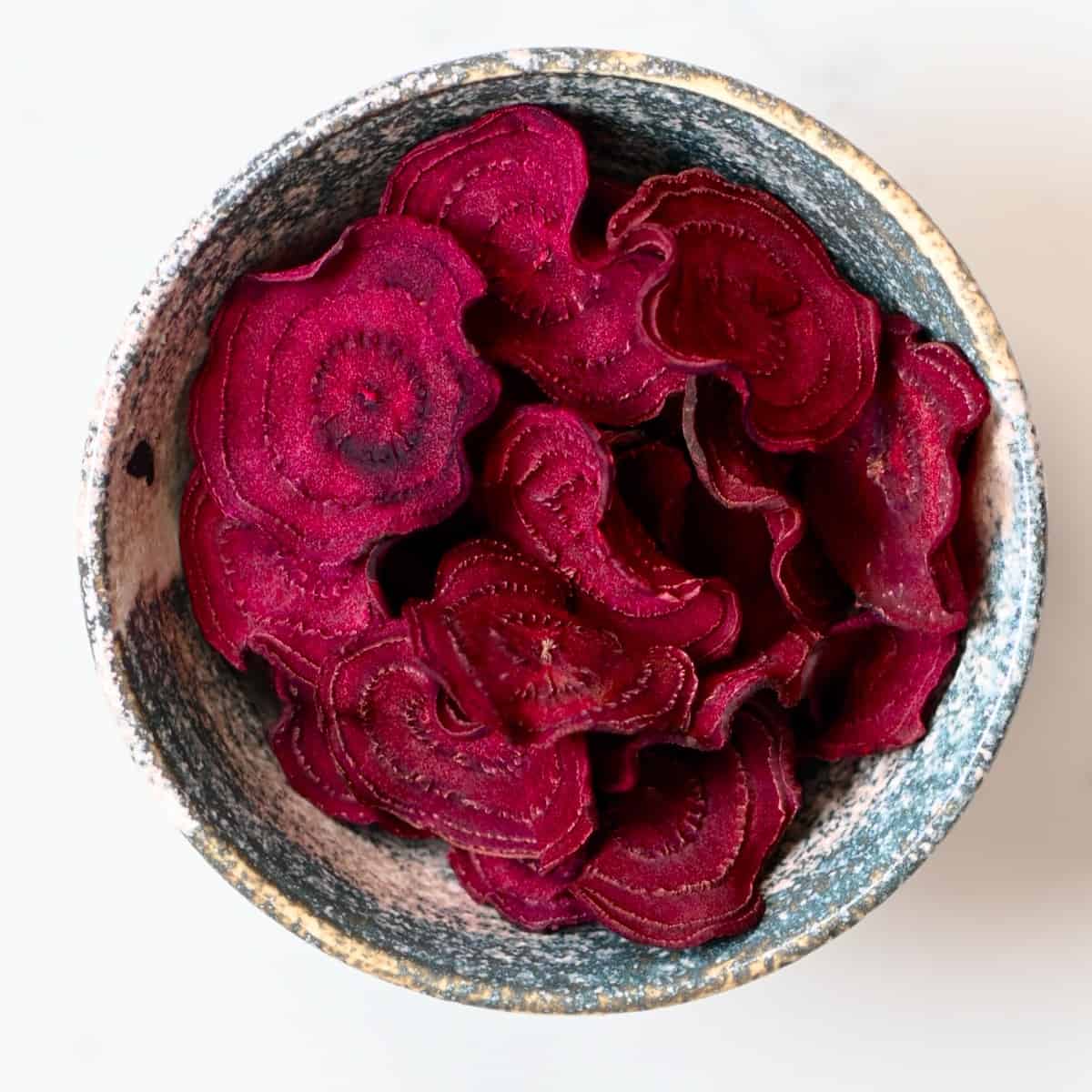
Baked vs. Dehydrated Beetroot Chips: Your Healthy Snack Guide
In the quest for healthier snacking options, beetroot chips have emerged as a vibrant, nutrient-packed contender. Gone are the days when "chips" automatically meant greasy, calorie-laden potato slices. Instead, we’re turning to root vegetables, transforming them into satisfyingly crunchy treats. But when it comes to preparing these crimson delights, a common question arises: how to make beetroot chips baked or dehydrated? Both methods offer distinct advantages and can yield delicious results, but they differ significantly in terms of process, texture, and nutritional retention. This comprehensive guide will walk you through each method, helping you decide which is best for your healthy snack goals.
Whether you're new to making homemade snacks or a seasoned pro looking to perfect your beetroot chip game, understanding the nuances of baking versus dehydrating is key. We'll explore the 'why' and 'how' behind each technique, ensuring your next batch of beetroot chips is nothing short of perfection.
The Art of Baking Beetroot Chips: Quick & Crispy (Sometimes)
Baking beetroot chips is often the go-to method for its relative speed and simplicity. It leverages the dry heat of your oven to evaporate moisture, transforming thin slices of beetroot into crisp, edible works of art. If you're looking for a relatively fast turnaround from root to snack, baking is an excellent option.
Why Bake?
- Speed: Baking typically takes 1-2 hours, making it much faster than dehydrating.
- Accessibility: Most kitchens already have an oven, eliminating the need for specialized equipment.
- Texture: When done right, baked chips can achieve a delightful crispiness, though consistency can be a challenge.
The Baking Process Explained
To make crispy beetroot chips in the oven, you'll start by washing and peeling your beetroots (optional, but recommended for smoother texture). The most crucial step is slicing them incredibly thin and uniformly. A mandoline slicer is invaluable here, as even thickness ensures even baking. Toss the thin slices with a tiny amount of olive oil (just enough to coat lightly) and your desired seasonings – a pinch of sea salt is often enough, but feel free to experiment with garlic powder, smoked paprika, or a touch of balsamic vinegar.
Arrange the slices in a single layer on baking sheets lined with parchment paper, ensuring they don't overlap. Bake at a low temperature, typically between 250-300°F (120-150°C), turning them periodically. The low heat is crucial to dry them out rather than burn them. This process demands patience and vigilance; beetroots can go from perfectly crisp to burnt in a matter of minutes. Keep a close eye on them, especially towards the end of the baking time, and remove any chips that crisp up faster than others.
Tips for Baking Success:
- Slice Thin & Even: This cannot be stressed enough. Inconsistent slices lead to uneven cooking.
- Don't Overcrowd: Give each chip space to breathe and crisp up.
- Low and Slow: Resist the urge to crank up the heat; it will burn the edges before the center dries.
- Flip Frequently: Turning the chips helps promote even drying.
- Cool Completely: Chips will crisp up further as they cool.
While baking is convenient, achieving that perfect, consistent crunch can be a bit of an art. It’s also worth noting that the higher temperatures used in baking can slightly diminish certain heat-sensitive nutrients in the beetroot.
Embracing Dehydration: Nutrient Retention & Ultimate Crunch
Dehydrating beetroot chips is a slower, more hands-off process, but it often yields a superior product in terms of consistent crispiness and nutrient preservation. If you own a food dehydrator, this method allows you to harness its power for perfectly dried snacks.
Why Dehydrate?
- Nutrient Retention: Dehydrators operate at very low temperatures (typically 100-140°F / 40-60°C), which helps preserve heat-sensitive vitamins, enzymes, and antioxidants present in beetroot.
- Consistent Crispiness: The slow, steady removal of moisture results in an incredibly uniform and satisfying crunch, less prone to sogginess than some baked versions.
- Hands-Off: Once loaded, a dehydrator requires little attention until the chips are done, making it ideal for overnight or long-duration preparation.
- Greater Yield: Dehydrators often have multiple trays, allowing you to process larger batches at once.
The Dehydrating Process Explained
Similar to baking, the journey to make healthy beetroot chips with a dehydrator begins with thinly and uniformly sliced beetroot. Again, a mandoline is your best friend here. Lightly toss the slices with a minuscule amount of oil and seasonings. Arrange them in a single layer on your dehydrator trays, ensuring good airflow around each piece. Set your dehydrator to a low temperature, usually around 125°F (52°C) for optimal nutrient preservation, though some prefer slightly higher for faster drying.
The dehydrating process can take anywhere from 8 to 12 hours, or even longer, depending on the thickness of your slices, the humidity of your environment, and your dehydrator model. The key is to dry them until they are brittle and snap easily. You won't see browning like in an oven; the color will simply intensify as moisture leaves the beetroots. Rotate trays occasionally if your dehydrator doesn't have even heat distribution, but otherwise, it's largely a 'set it and forget it' operation.
Tips for Dehydrating Success:
- Uniform Slices are Paramount: Essential for consistent drying.
- Single Layer: Maximize airflow for efficient dehydration.
- Patience is a Virtue: Don't rush the process; allow ample time for complete dehydration.
- Check for Brittleness: A truly dehydrated chip will snap cleanly. If it's bendy, it needs more time.
- Store Properly: Once cooled, store in an airtight container to maintain crispness.
Dehydrating might require an initial investment in a dehydrator and more time, but the consistent quality and enhanced nutritional benefits make it a worthwhile method for many healthy snack enthusiasts.
Baked vs. Dehydrated: A Head-to-Head Comparison for Your Healthy Snack
Now that we've explored both methods, let's put them side-by-side to highlight their key differences, helping you make an informed decision on how to make beetroot chips baked or dehydrated for your specific needs.
Nutritional Value
Both methods yield a healthier snack than store-bought fried chips. However, dehydration generally holds an edge in nutrient preservation due to its low-heat operation. While baking at low temperatures also aims to minimize nutrient degradation, the higher temperatures involved can still impact some delicate compounds like certain vitamins and enzymes. If maximizing the inherent nutritional benefits of beetroot (rich in fiber, folate, manganese, potassium, iron, and Vitamin C) is your top priority, dehydration is arguably the better choice.
Texture and Flavor
- Baked: Can be wonderfully crispy, but often with a slightly more varied texture – some pieces might be firmer, others airier, and some might even retain a slight chewiness if not fully dried. The flavor can be slightly more caramelized due to the higher heat.
- Dehydrated: Tends to produce a consistently brittle, dry, and crunchy chip. The flavor is often more concentrated and purely beet-like, as the low heat doesn't introduce significant caramelization.
Time and Effort
- Baked: Shorter active cooking time (1-2 hours) but requires more active monitoring (flipping, checking for doneness).
- Dehydrated: Longer overall cooking time (8-12+ hours) but largely hands-off once set up. Requires less active attention during the drying process.
Equipment Needed
- Baked: Oven, baking sheets, parchment paper. (Mandoline slicer highly recommended.)
- Dehydrated: Food dehydrator. (Mandoline slicer highly recommended.)
Choosing Your Perfect Beetroot Chip Method: Practical Tips & Considerations
Ultimately, the best method for you depends on your priorities, available equipment, and time constraints. Here are some final practical tips to help you decide and perfect your homemade beetroot chips, no matter which method you choose:
- Invest in a Mandoline Slicer: This is arguably the single most important tool for either method. Uniformly thin slices are the secret to consistently crispy chips. Thick slices will be chewy, while uneven slices will lead to some burning and some remaining soft.
- Seasoning is Key: While simple sea salt is delicious, don't be afraid to experiment. A sprinkle of nutritional yeast for a cheesy flavor, onion powder, garlic powder, or even a touch of chili powder can elevate your chips. Add seasonings before baking or dehydrating.
- Storage Matters: Once your chips are perfectly crisp and cooled, store them in an airtight container at room temperature. Exposure to humidity will quickly turn them soft. For best results, consume them within a week or two.
- Consider Your Purpose: If you need a quick snack for tonight's movie, baking is likely more practical. If you're planning a week's worth of healthy grab-and-go options and prioritize maximum nutrition, a dehydrator might be your better long-term investment.
Both baking and dehydrating offer fantastic ways to enjoy healthy, homemade beetroot chips. Each method has its unique charm and benefits, allowing you to tailor your snack preparation to your lifestyle and culinary preferences. Whether you opt for the quick crispness of the oven or the nutrient-rich crunch from the dehydrator, you're on your way to a delightful and guilt-free treat.
Conclusion
Embarking on the journey to make your own beetroot chips, whether baked or dehydrated, is a rewarding step towards healthier snacking. You now have a comprehensive understanding of how to make beetroot chips baked or dehydrated, armed with the knowledge of their distinct processes, nutritional impacts, and textural outcomes. While baking offers convenience and a quicker route to a crunchy snack, dehydrating excels in preserving nutrients and delivering an unparalleled, consistent crispness. Experiment with both methods, find your preferred seasonings, and enjoy the vibrant, earthy flavor of these incredible root vegetable chips. Happy snacking!
